India Crosses 3 Lakh Electric Car Sales in 2026, Before November Is Over
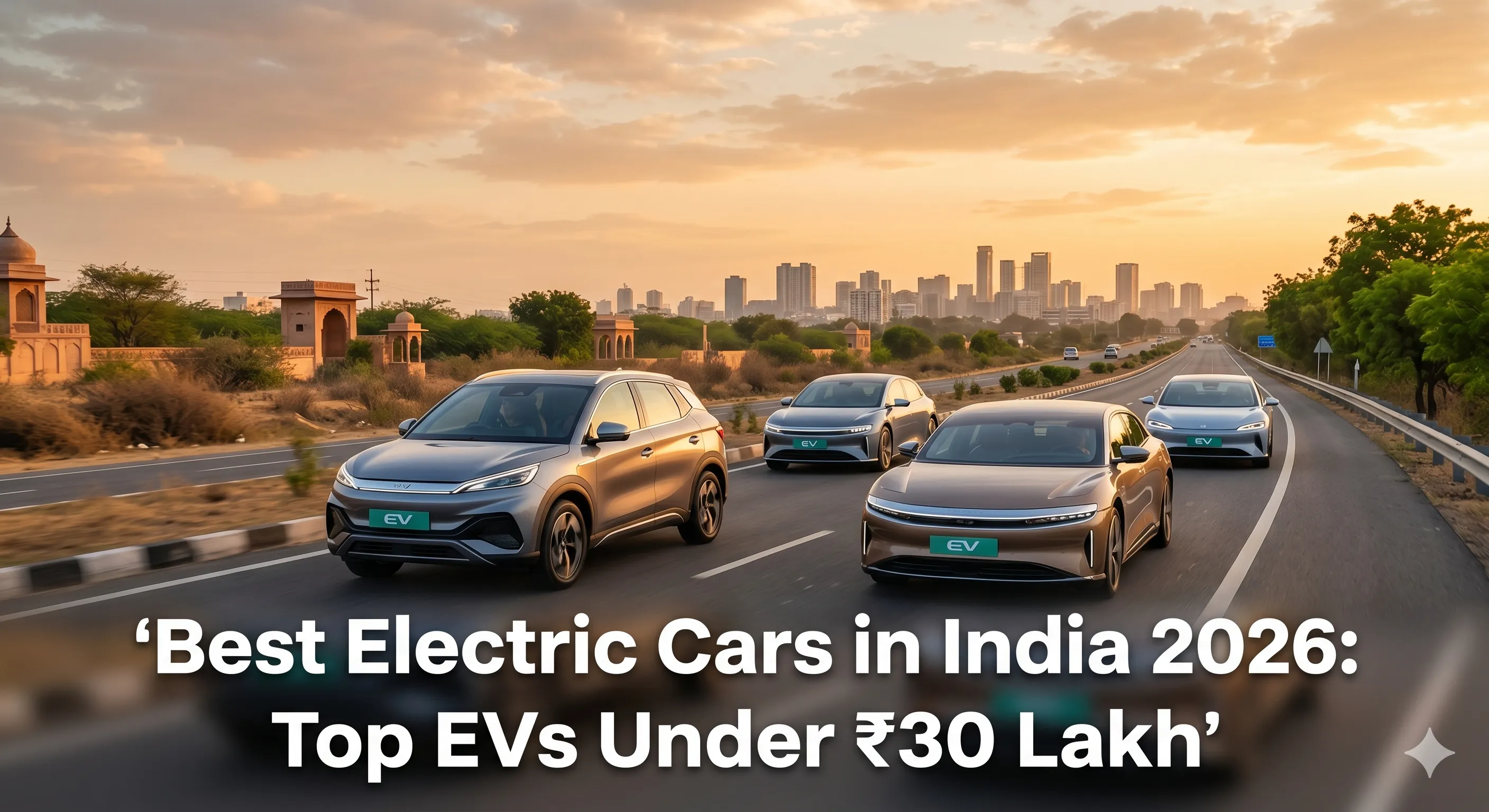
India has crossed a milestone that puts its electric car market in a different conversation. The question is increasingly how quickly electric cars can become an ordinary household choice, rather than whether there is a market for them at all.
The supplied sales brief puts electric passenger vehicle registrations at 3,04,701 between January 1 and November 9, 2026, up 66% year on year. November was barely underway when the market passed three lakh, leaving several weeks for the annual total to climb further.
That headline deserves attention, but the details matter just as much. Which manufacturers are leading? What does the figure actually measure? And does reaching 3.5 lakh by December require exceptional growth, or simply a continuation of demand?
What the milestone measures
Autocar India’s November 11 report, citing Vahan data, corroborates the brief. It identifies this as the first calendar year in which electric passenger vehicle retail sales have exceeded three lakh. The total covers passenger EVs, not the entire electric vehicle market, which also includes other vehicle categories.
Registration figures should also be distinguished from factory dispatches. A manufacturer sending vehicles to dealers does not necessarily mean those vehicles have reached registered owners. Keeping the measurement consistent makes comparisons more useful.
There is another important distinction: the reported 66% increase is a year-on-year comparison. Against the entire 2025 total of 1,95,571, the November 9 tally is approximately 56% higher. These percentages describe different comparisons and should not be used interchangeably.
Tata leads, with Mahindra and MG following
The same report lists Tata at 1,20,895 registrations, followed by Mahindra at 69,660 and MG at 56,988. Their respective shares are 39.67%, 22.86%, and 18.70%. Tata remains first, Mahindra holds second, and MG completes the leading trio.
For readers, the useful takeaway is that scale and competition can coexist. A clear leader does not eliminate the need to compare alternatives. Nor does a smaller market share automatically imply an inferior vehicle for a particular household.
The practical comparison starts with everyday requirements: seating, parking space, charging access, service support, and the distances driven most often. Brand rankings provide context, but they cannot answer those questions on a buyer’s behalf.
For manufacturers, the challenge is equally concrete. Winning an initial purchase is only one stage. Making servicing straightforward, explaining charging clearly, and resolving ownership problems will determine whether customers recommend their cars to others.
Can India reach 3.5 lakh by December?
The arithmetic is encouraging. Starting from the supplied total of 3,04,701, India needs another 45,299 registrations to reach 3,50,000. There are 52 days from November 10 through December 31, so the required average is approximately 871 vehicles per day.
For comparison, January 1 through November 9 covers 313 days. The supplied tally therefore implies an average of roughly 973 registrations per day across that period. The pace needed for 3.5 lakh is below that average.
This is an independent calculation, not a sales forecast. It shows that the target is mathematically plausible without assuming an acceleration. It does not establish that the remaining weeks will behave like the preceding months.
A simple scenario makes the uncertainty clearer. At 800 registrations daily over the remaining 52 days, the total would reach 3,46,301. At 900 daily, it would reach 3,51,501. The difference between narrowly missing and clearing the milestone is therefore relatively modest.
Supply availability, delivery timing, and demand can still alter the outcome. Registration updates can also change a provisional tally. The sensible conclusion is that 3.5 lakh is reachable, while the final year-end number remains open.
What the numbers cannot explain alone
A rising registration count records an outcome; it does not identify every reason behind a purchase. Some households may prioritise running costs. Others may value the driving experience, convenience, or the suitability of a particular model.
Without a buyer survey, assigning precise importance to those motivations would be speculation. The stronger approach is to examine the ownership questions that could help demand continue, rather than treat one explanation as universal.
Charging is central to that assessment. A driver with dependable overnight charging faces a different routine from someone relying entirely on public stations. Both may choose an EV, but their planning requirements and costs will differ.
Readers evaluating that practical side can start with our home EV charging guide for Indian apartments and houses. A workable charging arrangement should be part of the purchase decision from the beginning.
Readers following the final weeks should compare updates with the same category definitions and reporting dates. A headline about all EVs cannot be substituted for passenger car registrations, and a monthly dispatch announcement cannot be added directly to a retail tally. Keeping those boundaries clear prevents impressive numbers from becoming misleading comparisons. It also makes the December discussion more useful: the relevant test is how many additional passenger EVs are registered after November 9. That disciplined reading allows enthusiasm for the milestone while preserving a clear distinction between observed results, calculated scenarios, and expectations about what the market might deliver next.
What prospective buyers should check
First, map a normal week. Note commuting distances, school runs, shopping trips, and occasional longer journeys. This provides a more useful starting point than choosing a battery solely because its advertised range is the highest.
Second, check where charging would actually happen. For an apartment resident, that includes parking permissions and the installation process. For someone using public charging, it includes station access, payment arrangements, and a backup location when a preferred charger is unavailable.
Third, compare complete ownership costs using personal assumptions. Purchase price is only the beginning. Financing, insurance, electricity, charging equipment, maintenance, and eventual resale all belong in the calculation. National sales growth cannot guarantee an individual household will save money.
Finally, ask specific questions about support. Understand the warranty terms, exclusions, service arrangements, and the process for diagnosing battery concerns. Written answers are more useful than broad assurances during a test drive.
What would make the next milestone meaningful?
Another sales record would be welcome, but volume should not be the only measure of progress. A larger market also needs ownership experiences that remain dependable after the excitement of delivery has passed.
For charging providers, that means treating availability and ease of use as essential parts of the service. For dealers, it means explaining installation and charging routines before handing over the keys. For manufacturers, it means supporting vehicles consistently throughout ownership.
The next useful market questions go beyond who topped a monthly table. Are buyers finding suitable options for their budgets? Can households without private parking participate comfortably? Are service networks keeping pace with the vehicles already on the road?
These are questions to investigate, not conclusions established by the registration total. Answering them would help distinguish a temporary burst of purchases from adoption that can sustain itself across different kinds of households.
India’s three-lakh milestone is significant because it creates a larger foundation for that next stage. Tata, Mahindra, and MG occupy the leading positions, while the remaining weeks will determine how far the annual total advances.
On the supplied numbers, 3.5 lakh is a realistic possibility. The more lasting achievement would be turning those additional registrations into satisfied owners who find electric driving easy enough to recommend.