

What is Ather Doing Different from Other EV Makers in India?
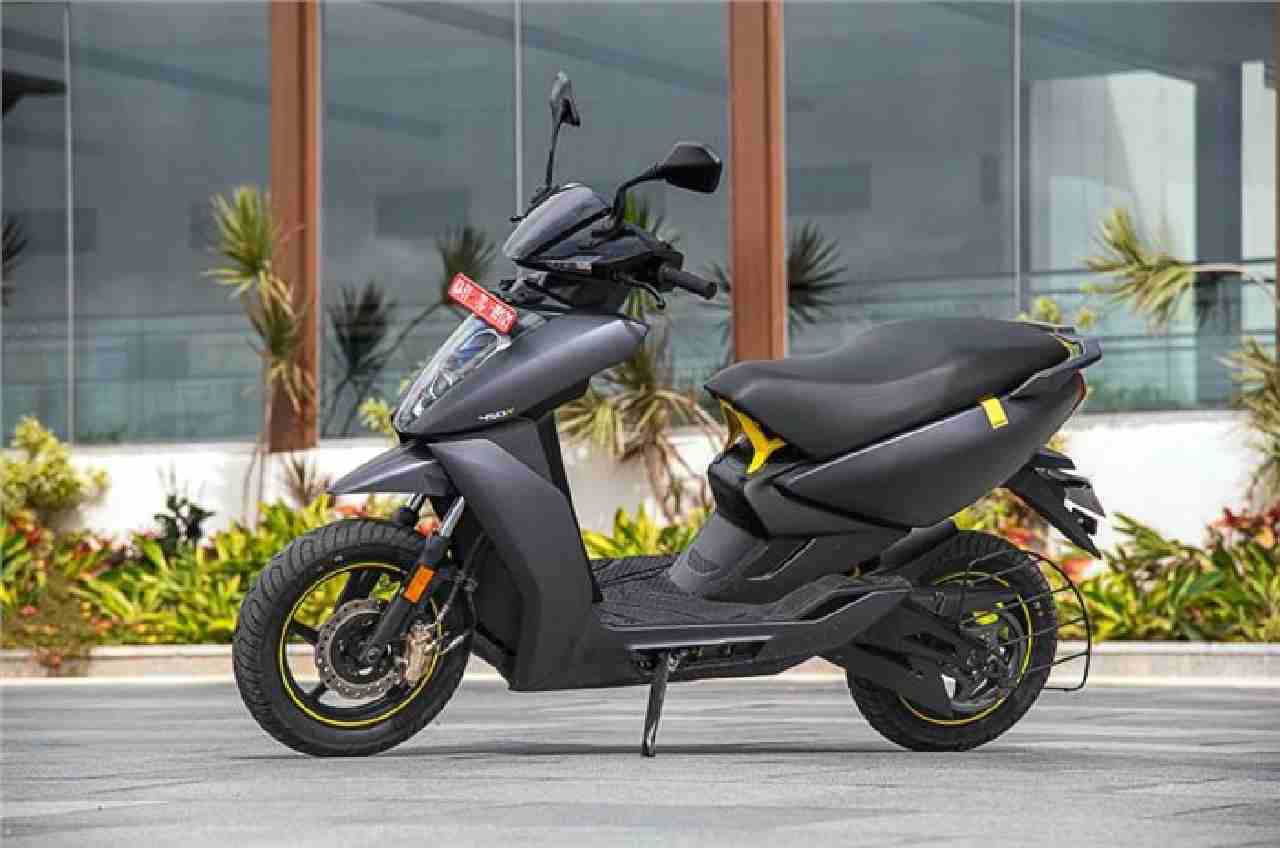
The Indian monsoon has a way of exposing the flaws in anything man-made. As the grey clouds bruise the Bengaluru skyline and the first heavy drops hit the asphalt, the city’s chaotic symphony of honking horns and rattling engines reaches a crescendo. In this sea of internal combustion, a silent revolution glides through the traffic. It isn’t just a scooter; it’s a statement.
For decades, the Indian two-wheeler market was a game of "good enough." It was about fuel efficiency, low maintenance, and a price tag that didn't break the middle-class dream. But then came the electric wave. Suddenly, every legacy giant and garage startup was slapping a battery onto a frame and calling it the future.
Amidst this frenetic gold rush, Ather Energy stepped back. While others were racing to build the cheapest box on wheels, Ather was busy building a soul. They weren't just looking to replace a petrol tank with a battery; they were looking to redefine what it feels like to move through an Indian city.
The Philosophy of the "Full Stack"
To understand why Ather stands out, you have to look past the sleek plastic panels and the neon-green accents. You have to look at the philosophy of Full-Stack Ownership.
Most EV manufacturers in India are essentially assemblers. They source a motor from one vendor, a battery cells from another, and a software skin from a third party. It’s a strategy built for speed and scale, but it lacks harmony. Ather took the difficult, expensive, and agonizingly slow path: they decided to own everything.
The Tesla of the East Much like Apple or Tesla, Ather realized that for a vehicle to be truly "smart," the hardware and software must be born in the same room. By controlling the vehicle hardware, the software stack (OS and dashboard), the mobile app, and the service experience, Ather created a closed-loop system.
When you twist the throttle on an Ather 450X, the response isn't a laggy suggestion; it’s an instantaneous command. That’s the result of vertical integration. Because they own the code, they can tune the performance, roll out new features overnight via Over-the-Air (OTA) updates, and ensure that the "brain" of the scooter knows exactly what the "muscles" are doing at any given microsecond.
1. Full-Stack Ownership: Not Just a Scooter Company
Ather is not just building scooters—it is building an entire EV ecosystem.
What Ather Controls:
- Vehicle hardware
- Software stack (OS, dashboard, OTA updates)
- Charging infrastructure (Ather Grid)
- Mobile app ecosystem
- Service experience
This is similar to how Tesla operates globally—vertical integration instead of dependency.
Why It Matters:
- Better performance tuning
- Faster feature rollouts
- Consistent user experience
- Strong brand differentiation
2. Software-First Approach
Most EV scooters treat software as an add-on.
Ather treats software as the core product.
Key Features:
- Touchscreen dashboard
- Navigation with live traffic
- OTA (Over-the-Air) updates
- Ride analytics
- Smart diagnostics
This transforms the scooter into a connected device, not just a vehicle.
3. Ather Grid: Owning the Charging Experience
One of Ather’s boldest moves is building its own charging network.
Ather Grid Focus:
- Fast-charging points in cities
- Strategic placement (cafes, offices, malls)
- Free/low-cost access (initially)
- Reliable uptime
Unlike others who depend on fragmented infrastructure, Ather ensures:
👉 Predictable and consistent charging experience
This aligns with a broader EV trend where infrastructure plays a key role in adoption
4. Premium Positioning Instead of Price Wars
While many EV brands compete on ₹80K–₹1L price range, Ather deliberately positions itself higher.
Why Ather Avoids Cheap Pricing:
- Focus on quality components
- Better battery management systems
- Superior ride experience
- Long-term brand trust
This creates a perception:
👉 Ather = “iPhone of electric scooters”
5. Strong Focus on Performance & Engineering
Ather scooters are designed for urban performance, not just affordability.
Engineering Highlights:
- Faster acceleration than most competitors
- Balanced chassis design
- High-quality braking systems
- Thermal management for Indian conditions
Instead of cutting costs, Ather invests in engineering depth.
6. Experience Centers, Not Dealerships
Ather redesigned the buying experience.
Instead of Traditional Dealerships:
- Minimalist experience centers
- No aggressive sales tactics
- Product-first interaction
- Test ride driven conversion
This builds trust and brand loyalty, especially among young urban users.
7. Data-Driven Iteration
Because Ather owns its software stack, it collects valuable ride data.
What This Enables:
- Continuous product improvement
- Predictive maintenance
- Feature upgrades via OTA
- Better battery optimization
This creates a feedback loop competitors struggle to match.
8. Long-Term Ecosystem Thinking
Ather is not chasing short-term volume.
It is building for:
- Smart cities
- Integrated mobility
- Energy ecosystems
- Sustainable infrastructure
This aligns with the broader EV evolution where vehicles, grids, and energy systems converge
Where Others Differ
| Factor | Most EV Makers | Ather Approach |
|---|---|---|
| Pricing | Low-cost focus | Premium positioning |
| Software | Basic | Core product |
| Charging | Third-party | Own network (Grid) |
| Manufacturing | Outsourced | In-house focus |
| Experience | Dealership-driven | Experience centers |
| Strategy | Volume-first | Ecosystem-first |
The Risk in Ather’s Strategy
Ather’s approach is powerful—but not easy.
Challenges:
- Higher upfront costs
- Slower expansion compared to low-cost players
- Need for continuous innovation
- Infrastructure investment burden
It’s a high-risk, high-reward strategy.
Final Thoughts
Ather is not trying to be the biggest EV company in India.
It is trying to be the most refined EV ecosystem.
While others race for numbers, Ather is focusing on:
👉 Experience
👉 Technology
👉 Long-term brand
And in a market that will eventually mature, this difference might matter more than price.
Conclusion: The Soul in the Machine
In the end, Ather Energy is answering a question that many of its competitors haven't even thought to ask: "What does the future of mobility actually feel like?"
It shouldn't feel like a compromise. It shouldn't feel like a "cheap alternative" to petrol. It should feel like an upgrade—in performance, in intelligence, and in pride of ownership.
While the rest of the industry races for numbers, Ather is racing for refinement. In the long run, the company that builds the best ecosystem usually outlasts the company that builds the cheapest product. Ather isn't just making a scooter; they are crafting the electric soul of the Indian road.